Reform UK’s ability to use its funds from crypto-billionaires could be hampered as Britain’s electoral watchdog reviews stricter spending limits for political parties.
The head of the Electoral Commission has suggested a review on political spending, which has come at the request of ministers, will look at whether current spending limits “remain fit for purpose”.
It comes weeks after donations from two crypto-billionaires to Reform UK worth £72m sparked backlash from political opponents, who urged caps on political donations to be implemented.
Vijay Rangarajan, chief executive of the Electoral Commission, told the Sunday Times that his review comes as political campaigning has “changed significantly in recent years”, with a “significant amount” being spent between election periods.
Currently, parties standing candidates in all constituencies across Britain have a £34 million spending limit in the year before a general election.
Mr Rangarajan said the Electoral Commission’s review will “look across the campaign spending framework as a whole, including spending limits, the interaction between party and candidate spending, and the reporting requirements that support public confidence in the system”.
“Campaigning has changed significantly in recent years, and a significant amount is spent between election periods, so it is right that we examine whether the current arrangements remain fit for purpose,” he said.
“Any changes to spending limits could have significant implications for those planning for future elections, so these must be carefully considered and practical to implement. We will engage widely and develop recommendations that strengthen transparency and public confidence in our democratic system.”
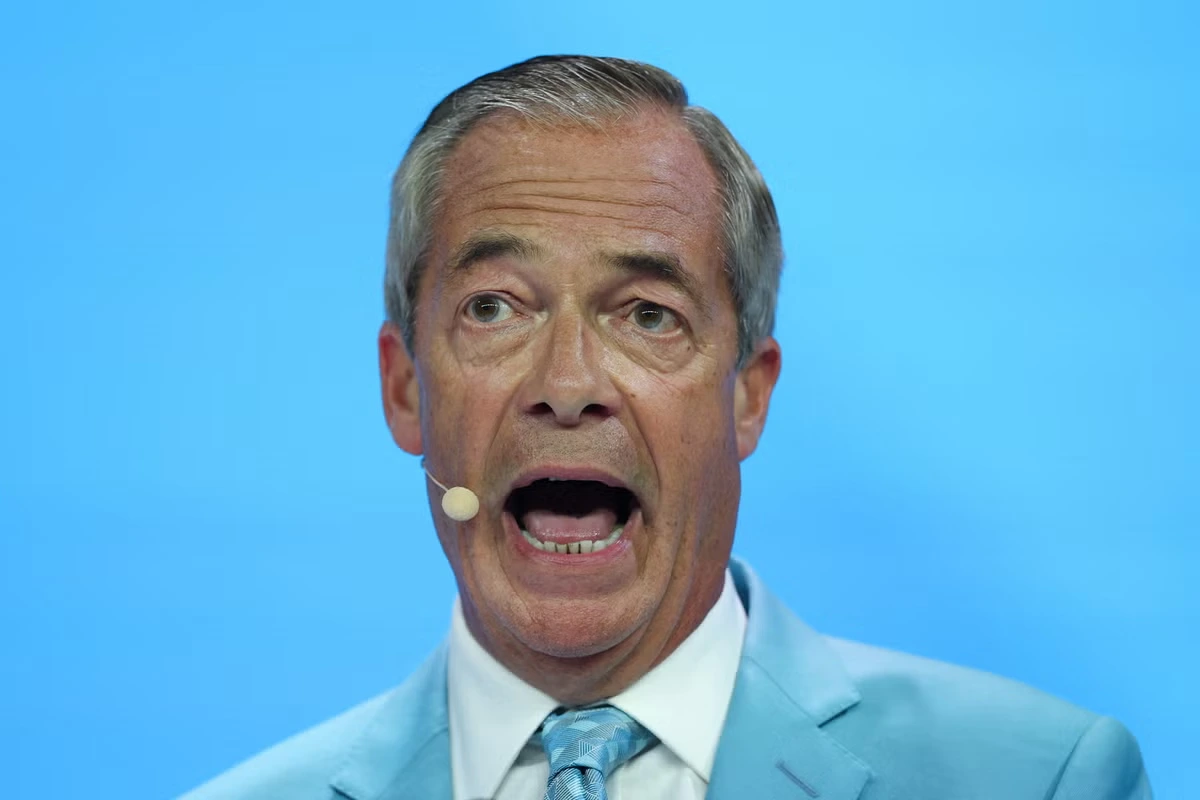
Though the Electoral Commission review will be politically neutral, a tightening of spending rules could negatively impact Nigel Farage’s party as it seeks to spend the multi-million pound donations to gain political capital.
The donations from Christopher Harborne and Ben Delo together amount to three-quarters of the money spent at the last general election by all parties combined.
Reform has said it will use the money to fund its preparations for office, and that the donors want “nothing” in return.
Mr Rangarajan added: “It is important that any recommendations are based on evidence and a thorough understanding of how the current rules operate in practice. We will engage with political parties, candidates, campaigners and voters as the review progresses.
“Trust in elections depends on people believing that the rules are fair and transparent, and how much parties and campaigners can spend is a significant part of that picture. Funding is essential to democratic participation and political debate, but the framework must give voters confidence that our elections are being contested on a level playing field.”
Meanwhile, questions remain over whether Reform will be able to keep all of the £72 million as the two donors could be covered by the cap on overseas donors, which will be backdated to March 25. They also apply to donations made in the first year that someone moves back to the UK.
Mr Delo has been based in Hong Kong but said in April he would return to the UK to avoid restrictions on overseas donors, and Mr Harborne is based in Thailand.
Robert Jenrick, the party’s economic spokesman, said on Sunday the donations were “entirely in line with the law as it is, and as far as we know, the law as it’s going to be in the future”.
The Independent later revealed that the party’s tax plans would hand wealthy crypto investors hundreds of millions in tax breaks if Mr Farage wins the next election.
Analysis of HMRC data by the Labour Party shows that capital gains tax breaks promised by Reform to crypto investors would be worth more than £100m a year, based on investments in 2025 alone.
And that could go much higher if investing in crypto is incentivised – presenting a huge incentive for investors to back the party.